Choosing between personal loan lenders requires more than finding the lowest advertised interest rate. Fees, repayment flexibility, approval criteria, lender credibility, and digital safeguards can all affect your borrowing experience.
The right personal loan lenders should make the total cost and repayment terms clear before you accept an offer. Comparing these factors helps you choose credit that fits your budget instead of focusing on one headline number.
The advertised interest rate shows only part of your borrowing cost. Personal loan lenders may also levy processing fees and other permitted charges.
Check the Annual Percentage Rate, or APR, before choosing an offer. RBI defines APR as the annual cost of credit, including interest and associated charges.
Regulated entities must also provide a Key Facts Statement (KFS) containing important loan information before you sign. Comparing personal loan lenders through APR gives you a clearer picture than comparing interest rates alone.
Two personal loan lenders can quote similar interest rates yet produce noticeably different overall repayment costs. Review processing fees, applicable taxes, late-payment charges, bounce charges, and other disclosed costs.
Compare the sanctioned amount with the amount that will actually reach your account. Then review the EMI, tenure, and total repayment together.
Personal loan lenders use their own underwriting criteria when deciding whether to approve an application. They may assess age, income, employment, bank activity, existing debt, credit history, and repayment capacity.
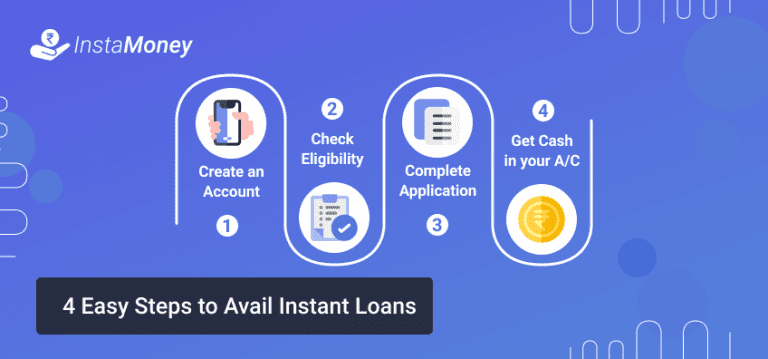
Checking basic eligibility before applying can help you focus on options that reasonably match your financial profile.
Approval ultimately depends on the lender’s underwriting policy and assessment of your repayment capacity.
The highest amount offered is not automatically the right amount to borrow. Responsible personal loan lenders should clearly disclose the approved amount, tenure, EMI, and repayment obligation.
A shorter tenure generally means larger installments but less time for interest to accumulate. A longer tenure can reduce your EMI while increasing the overall interest paid.
Before accepting an offer, calculate what remains after rent, food, utilities, insurance, and existing debt. Your new EMI should leave reasonable room for unexpected expenses.
Borrow according to your actual requirement rather than treating an available credit limit as additional income.
When comparing personal loan lenders digitally, review the lender’s name, loan amount, APR, tenure, and important terms. Under RBI’s Digital Lending Directions, 2025, LSPs working with multiple regulated entities must provide borrowers with relevant loan-offer information.
At InstaMoney, we operate as a Loan Service Provider (LSP) rather than a direct lender. We connect you with RBI-regulated lending partners that evaluate applications, decide approvals, and disburse approved funds.
This distinction helps you understand exactly who is responsible for the final lending decision and loan agreement.
Repayment conditions matter long after the initial convenience of borrowing has passed. Compare how personal loan lenders handle payment dates, prepayment, missed installments, and applicable charges.
Digital loans also include an initial cooling-off period under current RBI directions. During this period, you can exit by repaying the principal and proportionate APR, subject to applicable disclosed conditions. The RBI requires this period to be at least one day.
Read these conditions before accepting the loan, particularly when you may want to repay earlier than scheduled.
Digital borrowing requires you to share personal and financial information. Good personal loan lenders and their service providers should explain what information they collect and why.
RBI’s current digital-lending rules require data collection to be need-based and supported by prior, explicit borrower consent. The rules also restrict unnecessary access to phone resources such as contacts, files, call logs, and telephony functions.
Customer support is equally important when repayments fail, or account information needs correction. Check whether the lender or LSP provides clear service and grievance channels before you borrow.
The lowest rate does not automatically identify the best personal loan lenders for your financial needs. Compare APR, fees, eligibility, tenure, repayment flexibility, lender credentials, privacy practices, and support before borrowing.